

Issue 24.
Artificial flowers get a reinvention & other (skin) deep happenings I can't ignore

In Full Bloom: The Reinvention of Artificial Flowers
The Scroll
In early January, I was sitting poolside on holidays, enjoying a margarita and a deliciously aimless scroll through TikTok.
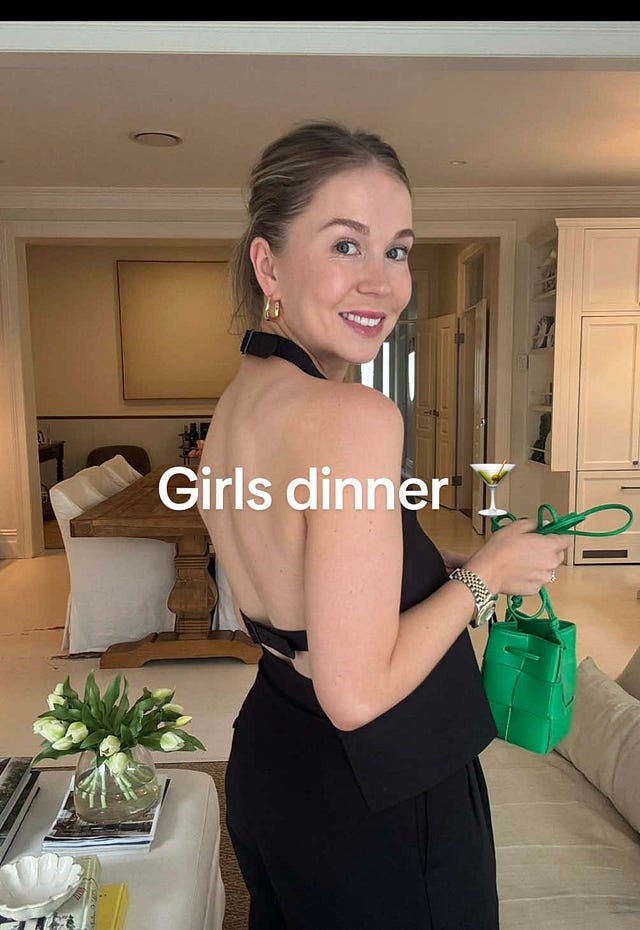
The most brain power I expected to expend was keeping my thumb moving through a sea of mini mics, GRWMs set to an Addison Rae song and Gen Zs in front of a green screen breaking down the “strategy” of a business they’d just learned about on Wikipedia, when suddenly a video of a woman in her 30s appeared on my screen.
She was breaking down her outfit of the day. Her style was sleek and timeless, there was no sign of TikTok’s favourite fashions — hoodies, ripped jeans pulled straight from a clothing bin or sunglasses with lenses the size of teaspoons. Instead, she listed the likes of Beare Park, Chanel, Esse Studios and Fendi as her brands of choice.
Her hair was blown out better than most people’s on their wedding day, but she was just off for a casual lunch. She was put together in that effortless, polished way that would require me to book a professional makeup application, abstain from all food, get dressed directly at the dry cleaners with assistance to avoid crushing the fabric and essentially not move for an entire day to achieve.
Her living room was cosy and warm. I could picture Nancy Meyers and the late Nora Ephron sipping tea on the couch.
Then I realised I knew this girl.
 Tiktok failed to load.
Enable 3rd party cookies or use another browser
The Dot Join
Sarah Myer. We met many moons ago but hadn’t seen each other in years. The last time she probably saw me was in Melbourne at a party where a local hairdresser gave me an upstyle that made me look like a Melbourne mob wife from the 1980s. I still cringe at the memory.
I scrolled through her account, curious about the why behind this new social media presence. I soon had my answer.
The Unlikely Brand
Sarah revealed she was starting her own business: a brand of artificial flowers, which she had been strategically featuring in her OOTD videos as a subtle prelude to the launch.
It was called Sadele, a name chosen primarily to avoid copyright issues from using an existing word. She fused the first letter of her first name with her middle name, Adele.
I liked the name, but I wasn’t sure about the flowers.
Aren’t faux flowers something you see on the set of Play School or in the waiting room of a bulk-billed medical centre?
An image of The Nanny’s Sylvia Fine popped into my mind.
But Sarah was one step ahead of me.
The “Why”
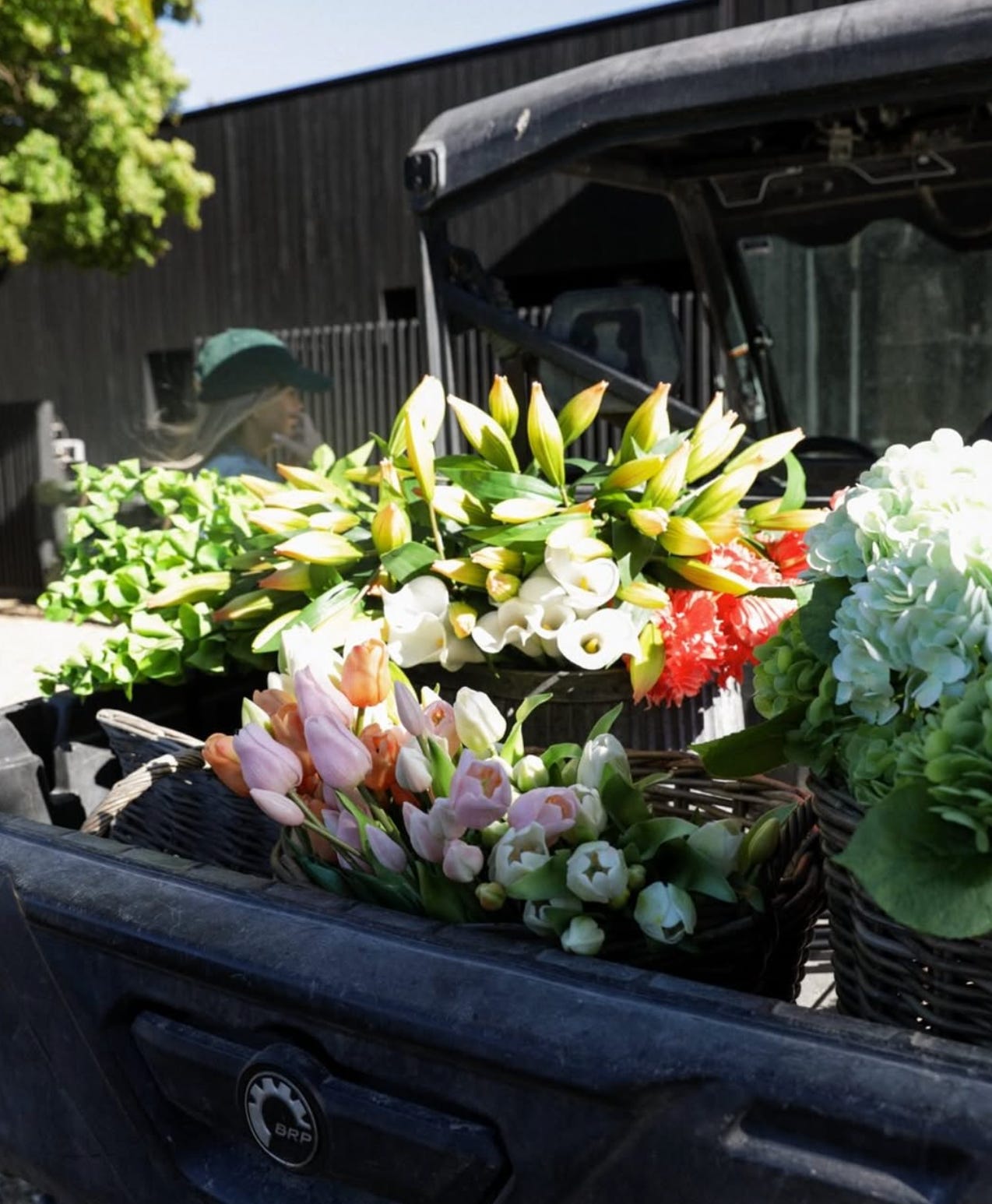
“For as long as I can remember, I’ve always loved having en masse flowers in my home, but it’s so cost prohibitive. The cost of flowers was getting exorbitant. Sometimes I was spending more money on flowers than I was on the food for dinner,” Sarah explains in a video.
“The quality in Australia has always been really crunchy or clearly plastic, so I was never compelled to buy artificial flowers. I thought: what if you could create a range of really incredible evergreen flowers?"
The Needle in a Haystack
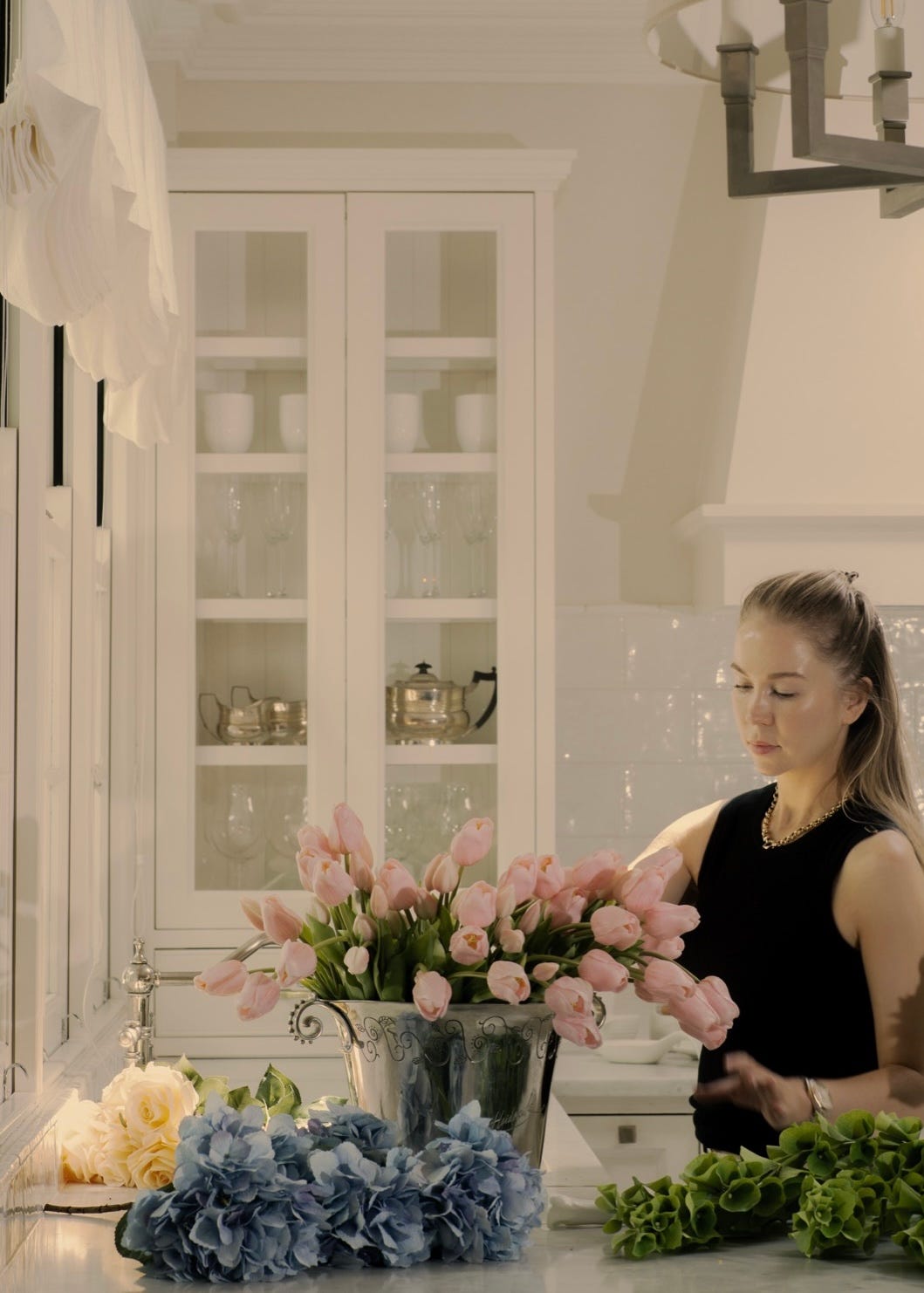
The lightbulb moment for Sadele arrived while Sarah was overseas and spotted a stunning arrangement in the lobby of a Waldorf Astoria. She asked the staff where the flowers came from, but no one could give her an answer.
So she turned to the powers that be: ChatGPT.
Many prompts and surely sycophantic replies of “What an amazing idea! I’m here to help anytime!” — later, Sarah had a shortlist of suppliers she believed could include the manufacturer used by the hotel.
In early February, Sarah and I connected in person for a coffee in Sydney.
Besides redeeming my hair’s reputation, I was impressed by her vision, ambition, passion and attention to detail. In an age where anyone can create a logo on Canva and order a set of bucket hats from Alibaba for a quick cash grab positioned as branded merch, quality products are a pot of gold at the end of a rainbow.
To remove the image of plastic, crunchy carnations sitting in a bargain bin at Spotlight from customers’ minds, Sarah knew she had to work harder to ensure Sadele wasn’t tarred with the same stigma.
Six potential vendors, a flight overseas, a dinner and a warehouse tour later, she had located and met her supplier. One of his other clients? Waldorf Astoria.
The Reinvention
Despite the geographical distance, it was important for Myer to meet the person responsible for creating her product. The decision has paid off: the pair now work closely together on designs and specifications: colour, stem quality, size and height.
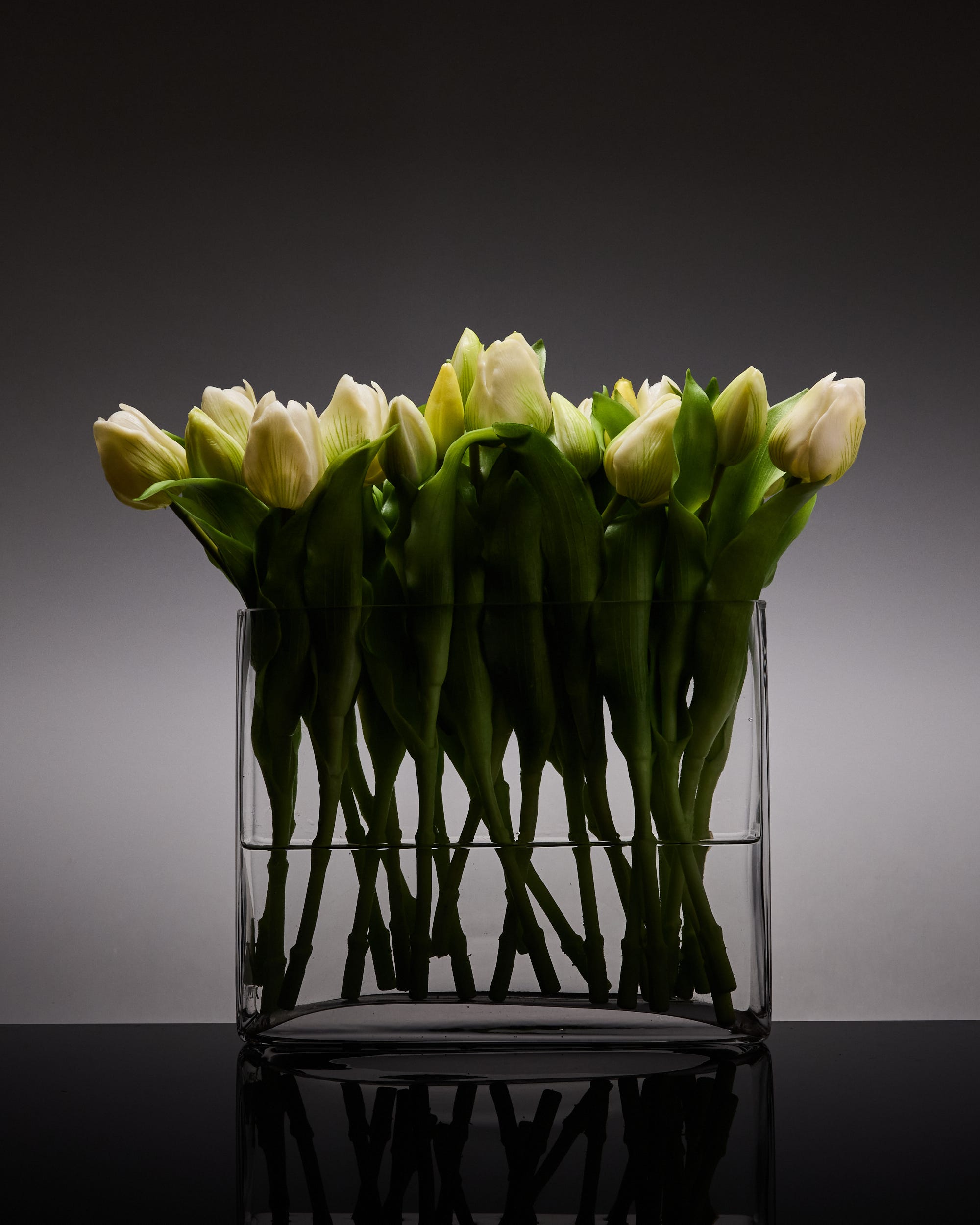
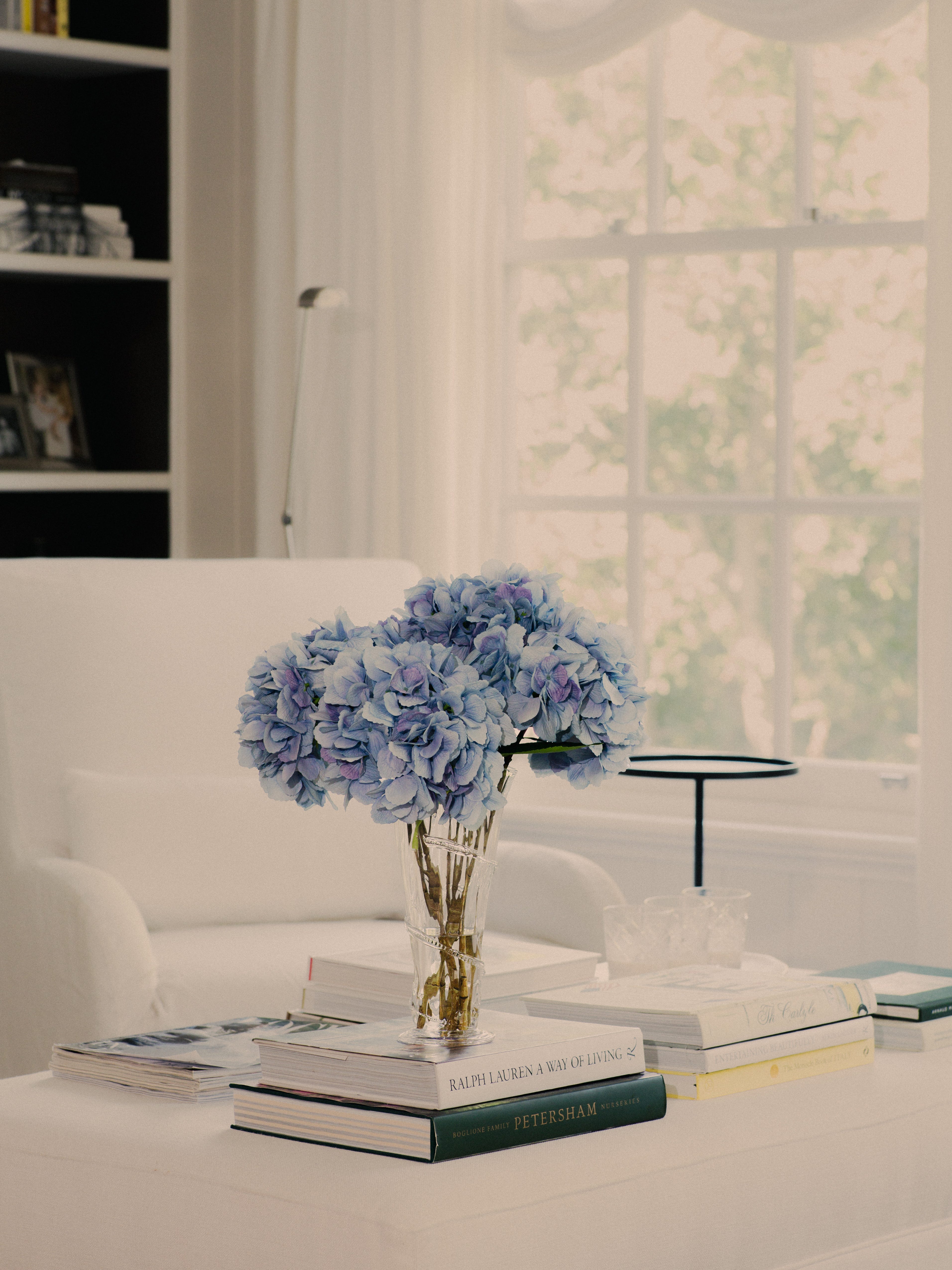
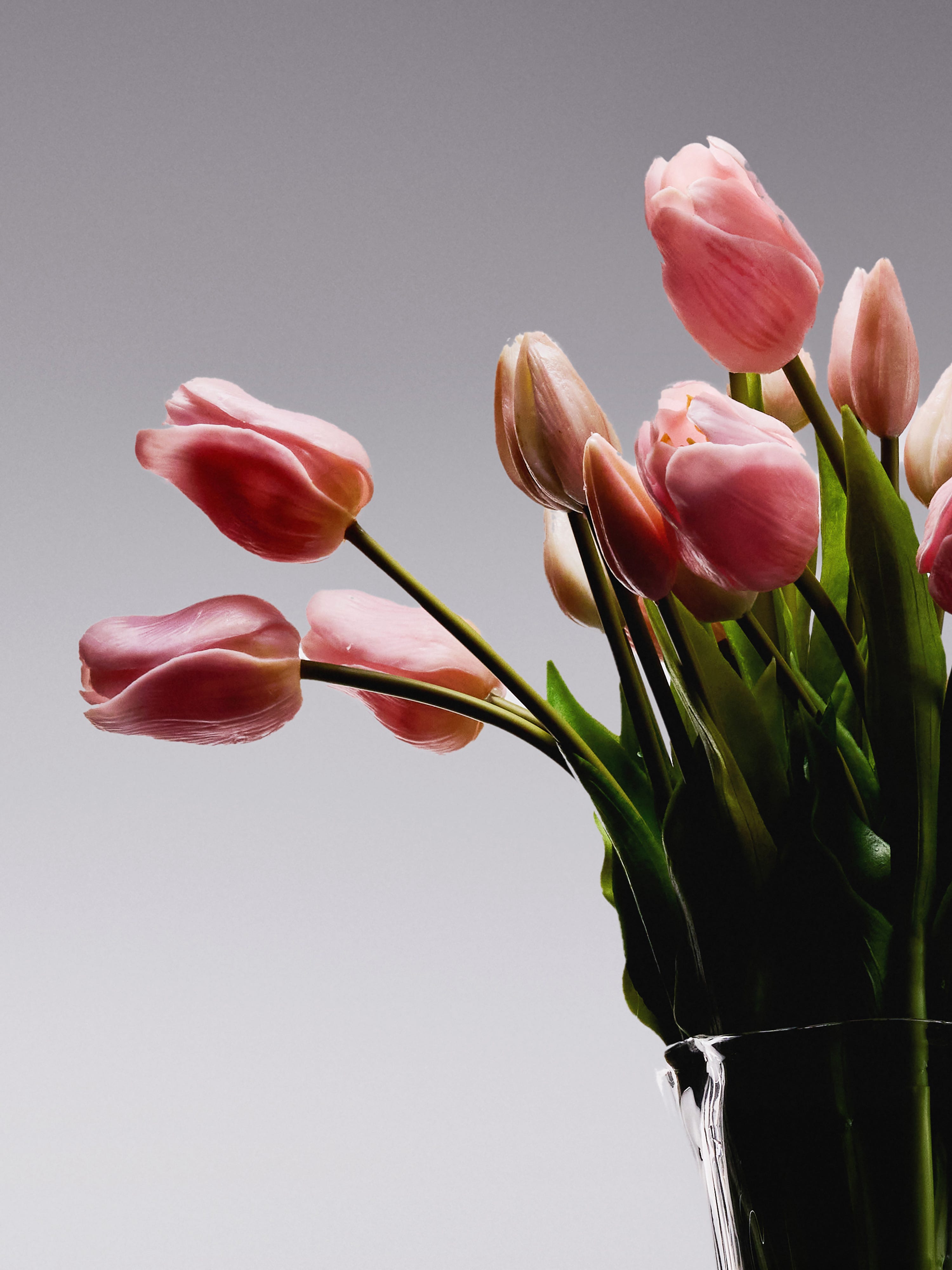
The result is Sadele’s first collection, which includes hydrangeas in olive green and blue, calla lilies and tulips in shades of pink and creamy white in varying heights.
The flowers come in bunches of five through to sixteen and can be placed in vases with water to enhance their appearance, only needing to be changed every three weeks.
They’re aesthetically pleasing, require minimal maintenance, and carry none of that unmistakable scent that comes from a vase of dying flowers. They also arrive packaged in a beautiful chocolate-brown box.
Are we on the precipice of a product reinvention? Where something once daggy and persona non grata finds its way into the current zeitgeist?
Think Afterpay (essentially lay-by), lab-grown diamonds, body care, even toothpaste.
Maybe I need to start a toilet paper brand.
The Shift
Sadele prices start at $200, with the upper end sitting at $320. I couldn’t help but think about the thousands of dollars I’ve spent on fresh flowers over the years that have quietly ended up at the bottom of a green bin within days.
My partner subscribes to the theory that the more you pay at one of the well-known heavy hitters — the ones that require a small mortgage to purchase — the faster they die.
I shared this with Myer, who told me about an experience that has stayed with her while building Sadele. Her husband once bought her a bunch of flowers priced north of $150 from one of Sydney’s top florists that died almost instantly. When she contacted the store to give feedback, she was told that if only she’d had “a bigger budget,” this wouldn’t have happened.
Clearly customer care was not in their brand guidelines.
The Cringe Mountain
What led Sarah and I to reconnect was a video she posted about climbing “cringe mountain” in the lead-up to launching Sadele.
It’s a concept that’s gained traction over the past few years, describing the awkwardness of putting yourself out there publicly, especially on social media, and the discipline required to push through the instinct to shrink.
As someone at the foothills of my own cringe climb, I admired her candour and conviction. The willingness to be seen trying, to be comfortable with the discomfort of “giving it a go.” Watching her own it publicly made it feel less isolating.
There’s something happening among women in their 30s — many of them mothers, like Sarah — who are starting new professional chapters that require building something from scratch. Often after years inside systems that didn’t quite fit, or didn’t quite see them.
Removing stigma from a product takes work: research, risk, capital, conviction.
So does removing stigma from women wanting more: more autonomy, more ownership, more visibility.
Maybe that’s the real reinvention here.
And of course, the flowers.
Follow Sadele and explore the entire collection here.
The Kyle and ? Show.. Who could have predicted the sudden implosion of Australia’s most high-profile radio duo after 27 years of working together would come down to a horoscope reading?! In some ways the drama of it all feels very on-brand for their ending, but I believe this is anything but the end… Do we have a Justin Baldoni–Blake Lively style legal fight on our hands? Predictably, the coverage of this break-up hasn’t been positive, but this take offers an interesting, considered perspective.
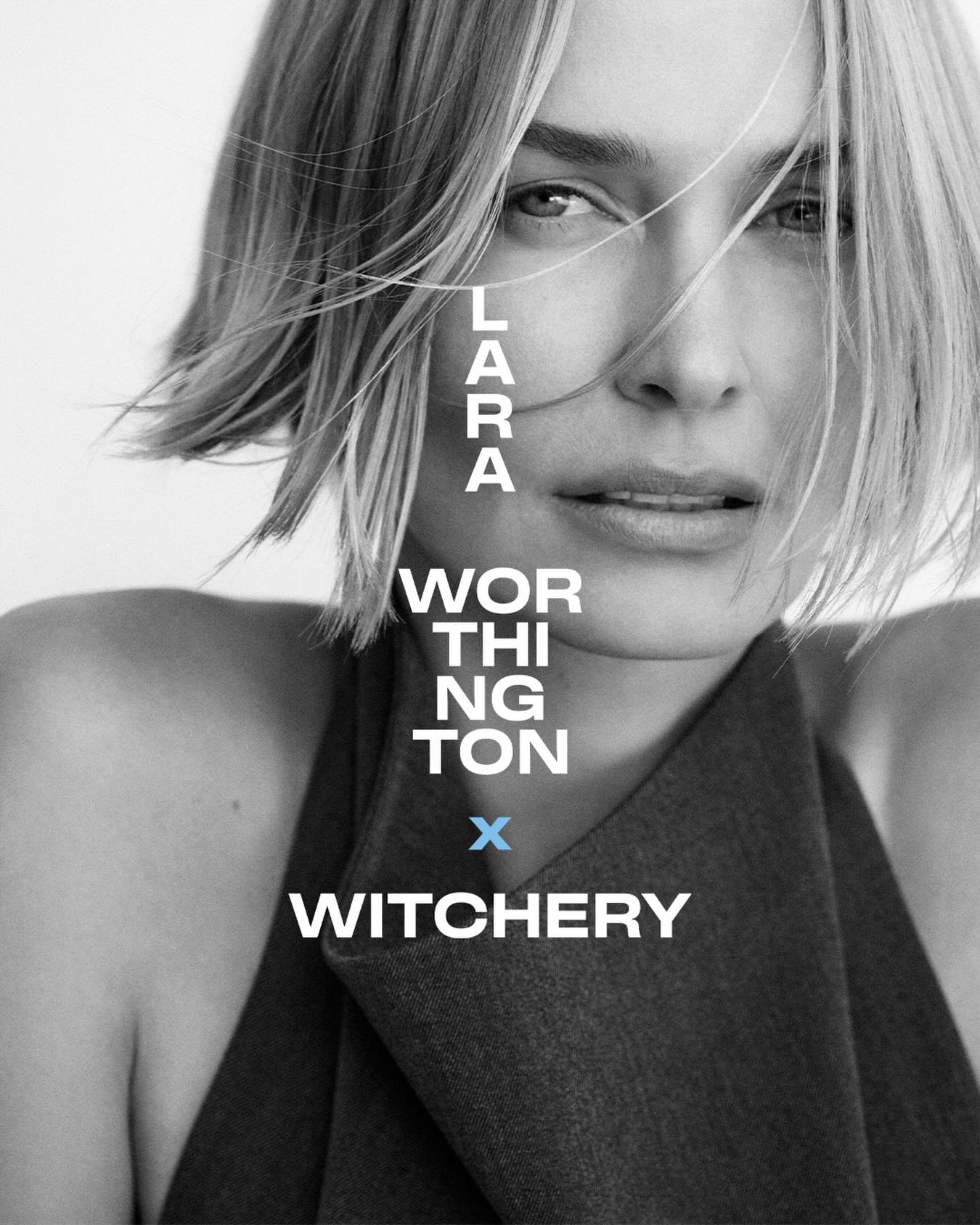
Lara Worthington has designed a capsule collection for Witchery, launching March 10. I have high hopes for this! The styles look nice, though are they enough to make people want a Witchery logo hanging in their wardrobe? I’m not sure they’ve shed their daggy reputation just yet, but this collaboration might be the turning point.
God, I’m sick of seeing the pasty faces of tech titans popping up in the high echelons of the fashion industry. First Jeff Bezos as the chief ringmaster of this year’s Met Gala, and now Mark Zuckerberg in front of Prada F/W ‘16. What’s next, Elon as the face of Celine?! Send them all back to Silicon Valley.
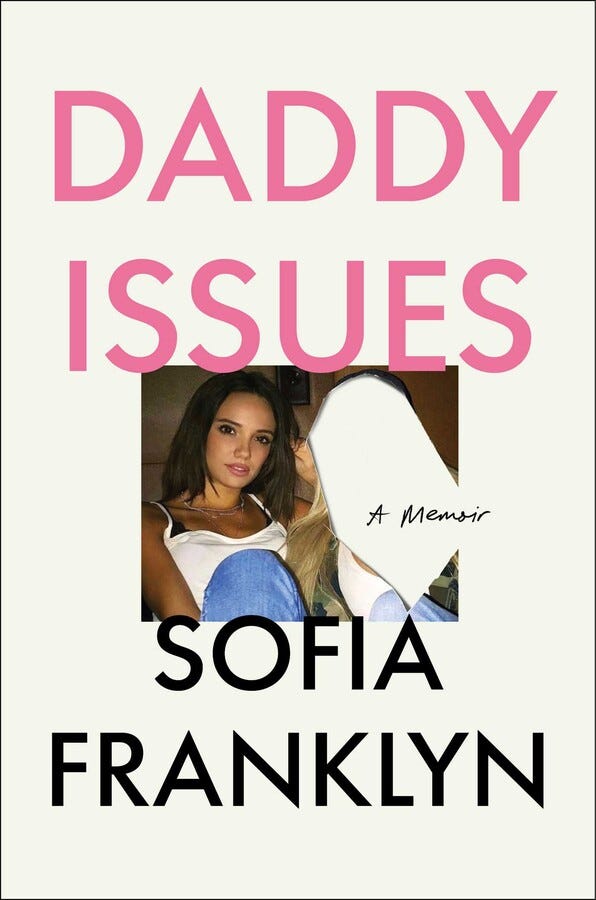
Sofia Franklyn is releasing a book in November, Daddy Issues, detailing her exit and infamous feud with former best friend and Call Her Daddy co-host Alex Cooper. I will be reading.
Netflix is considering turning the
PrinceAndrew Mountbatten-Windsor/Epstein drama into a new season of The Crown. I still think my idea of a reality show following Randy Andy behind bars hits harder!
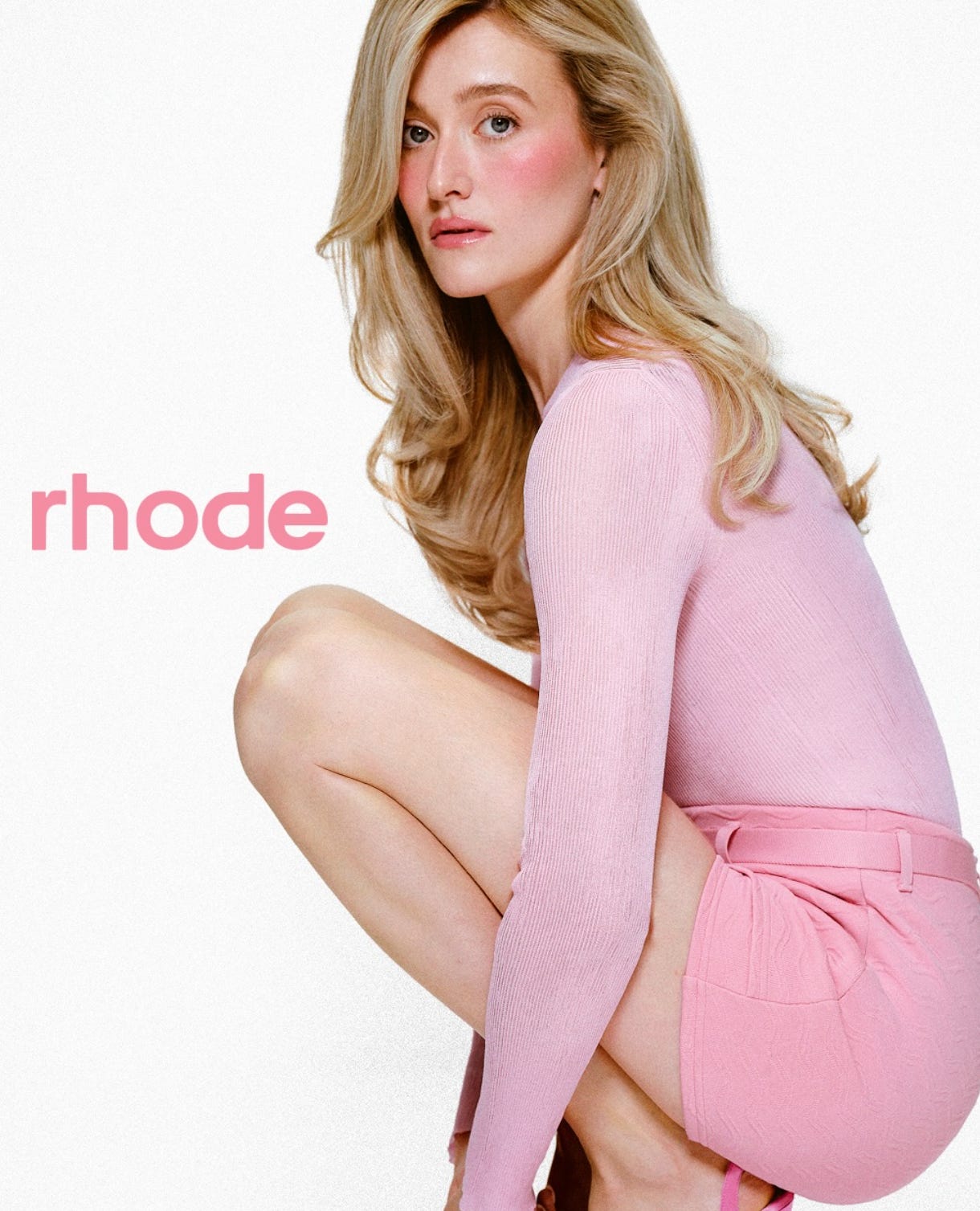
On Wednesdays Sarah Pidgeon wears pink. Love Story’s CBK could be easily be mistaken for one of Mean Girls plastics’ in a new campaign for Rhode. Smart move to capitalise on the show’s popularity and to start moving away from just relying on Hailey’s face to push product.
Another day, another AI headline. Yawn. This time it’s Gucci’s turn at branded slop. What do you think?

Loved loved loved sitting down with you to discuss all things Sadele! 🤍
Gosh I love this Substack!